How Small Gardens Can Become Safe Havens for Wildlife
20,830 views
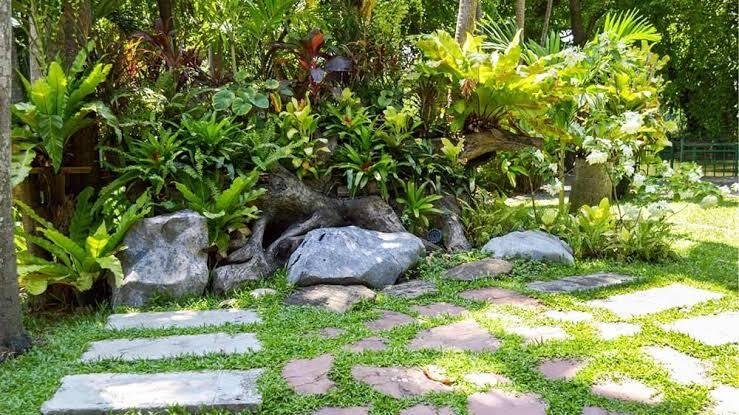
A small garden may not look like much compared to a nature reserve or woodland, but it can play a surprisingly important role in supporting local wildlife. As natural habitats are replaced by buildings, roads, and paved spaces, even a modest backyard, courtyard, or balcony can provide food, shelter, and water for birds, bees, butterflies, frogs, and countless beneficial insects.
The good news is that you don't need acres of land or expensive landscaping to make a difference. A few thoughtful choices can turn almost any outdoor space into a thriving mini habitat that benefits both wildlife and your garden.
This guide explains how small gardens help biodiversity, what wildlife needs to survive, and the practical steps you can take to create a welcoming space that stays healthy throughout the year.
Why Small Gardens Matter More Than You Might Think
Wildlife doesn't recognize property boundaries. Birds, insects, and small mammals move between parks, hedgerows, forests, and residential neighborhoods searching for food and shelter.
A network of wildlife-friendly gardens acts like stepping stones, helping animals travel safely through urban and suburban environments. Research and conservation organizations have found that gardens collectively provide significant habitat, especially where natural landscapes have been fragmented by development. Even container gardens on balconies can support pollinators when planted thoughtfully.
Small gardens can also:
Support declining pollinator populations.
Increase local biodiversity.
Improve pollination for fruits and vegetables.
Naturally reduce some garden pests by attracting beneficial insects.
Create enjoyable opportunities to observe wildlife close to home.
What Wildlife Needs to Thrive
Creating a wildlife-friendly garden becomes much easier when you understand four basic habitat requirements.
Food
Different species depend on different food sources throughout the year.
Examples include:
Nectar from flowering plants
Pollen for bees
Seeds for birds
Berries and fruits
Leaves that caterpillars feed on
Insects eaten by birds and amphibians
Providing flowers that bloom from early spring through late autumn ensures a steady food supply instead of a short seasonal feast.
Water
Wildlife needs clean water for drinking and bathing.
A shallow dish with fresh water, a bird bath, or a tiny pond can attract birds, insects, frogs, and other creatures. Adding stones or pebbles allows bees and butterflies to drink safely without drowning.
Shelter
Animals also need places to rest, hide from predators, and escape harsh weather.
Useful shelter includes:
Dense shrubs
Native grasses
Log piles
Leaf litter
Compost heaps
Climbing plants
Small hedges
Leaving a few naturally "messy" corners often benefits wildlife far more than keeping every inch perfectly tidy.
Safe Places to Raise Young
Many insects nest in bare soil, hollow stems, or dead wood. Birds require shrubs or nesting boxes, while butterflies need host plants where they can lay eggs.
Providing nesting opportunities is just as important as offering food.
Choose Native Plants Whenever Possible
One of the most effective ways to support wildlife is planting species native to your local region.
Native plants have evolved alongside local insects, birds, and pollinators, making them valuable food sources. Many native caterpillars, for example, can only feed on specific native plants. Birds rely heavily on these insects when feeding chicks.
That doesn't mean every plant must be native. Many non-invasive ornamental flowers also provide nectar and pollen. A mixture of suitable native and well-chosen non-native plants often works well, provided they support local wildlife.
Create Layers of Habitat
Nature rarely grows in neat rows.
A garden with different heights and plant types supports more wildlife than one with only lawn or flower beds.
Try combining:
Ground covers
Wildflowers
Perennials
Small shrubs
Climbers
Small trees (if space allows)
These layers create hiding places, nesting sites, and food sources for a wider variety of species.
Add Features That Make a Big Difference
You don't need elaborate landscaping to attract wildlife.
Garden Feature | Wildlife Benefits |
|---|---|
Bird bath | Drinking and bathing water |
Log pile | Shelter for insects, beetles, fungi, and amphibians |
Leaf pile | Habitat for insects and overwintering wildlife |
Native flowers | Nectar and pollen for pollinators |
Small pond | Supports frogs, dragonflies, birds, and aquatic insects |
Climbing plants | Nesting sites and protective cover |
Compost area | Encourages worms, beetles, and healthy soil life |
Many of these features require very little space.
Reduce or Avoid Pesticides
Chemical pesticides often kill beneficial insects alongside garden pests.
Bees, butterflies, ladybirds, lacewings, and many other helpful species may be harmed directly or indirectly.
Instead, try natural approaches such as:
Encouraging birds that feed on insects.
Planting flowers that attract beneficial predators.
Removing pests by hand when practical.
Maintaining healthy soil to grow stronger plants.
A balanced garden usually develops its own natural predator-prey relationships over time.
Leave Some Areas a Little Wild
It's tempting to keep every corner perfectly trimmed, but wildlife often prefers less manicured spaces.
Consider leaving:
A patch of longer grass
Fallen autumn leaves beneath shrubs
Dead flower stems through winter
Small piles of sticks or branches
These simple changes create valuable overwintering habitat for insects while reducing garden maintenance.
Think Beyond Flowers
Flowers are essential, but wildlife benefits from a wider range of plants.
Consider including:
Berry-producing shrubs
Native grasses
Herbs that flower
Fruiting plants
Seed-producing wildflowers
Many kitchen herbs—including thyme, oregano, rosemary, and chives—produce flowers that bees love while remaining useful for cooking.
Wildlife-Friendly Gardening Through the Seasons
Spring
Plant early-blooming flowers.
Clean bird baths regularly.
Add compost before new growth begins.
Summer
Water during dry periods.
Keep shallow water available.
Avoid disturbing nesting birds.
Autumn
Plant spring-flowering bulbs.
Leave seed heads for birds.
Allow leaves to remain in selected areas.
Winter
Delay cutting back all dead stems.
Maintain water sources if possible.
Leave shelter undisturbed for overwintering insects.
Providing year-round habitat supports wildlife during every stage of its life cycle rather than only during summer.
Common Mistakes to Avoid
Even well-meaning gardeners sometimes make choices that reduce habitat value.
Common mistakes include:
Planting only one flower species.
Choosing plants that bloom for just a few weeks.
Removing all fallen leaves.
Using pesticides routinely.
Replacing natural lawns with artificial turf.
Keeping gardens overly neat.
Forgetting to provide water.
Wildlife benefits most from diversity and consistency rather than perfection.
Small Spaces Still Count
Many people assume they need a large backyard before they can help wildlife.
That's simply not true.
A balcony or patio can support pollinators by using containers filled with flowering plants that bloom across the growing season. Window boxes, hanging baskets, and vertical planters all add valuable nectar and pollen resources when ground space is limited.
Even one flowering container may provide an important feeding stop for bees or butterflies moving through urban neighborhoods.
Best Practices for a Thriving Wildlife Garden
If you're just getting started, focus on these proven principles:
Plant a variety of flowers with different blooming times.
Prioritize native species suited to your region.
Provide clean water year-round.
Leave some natural shelter undisturbed.
Reduce pesticide use whenever possible.
Include trees, shrubs, and flowering plants if space allows.
Accept a little natural untidiness.
Small improvements made consistently usually have a greater long-term impact than major one-time projects.
Frequently Asked Questions
Can a tiny garden really support wildlife?
Yes. Even a small garden or balcony can provide nectar, pollen, water, and shelter. When many households create wildlife-friendly spaces, they collectively form valuable habitat corridors across neighborhoods.
Which plants attract the most pollinators?
Flowering plants that provide abundant nectar and pollen over a long season are generally the most beneficial. Native species are often the best choice because local pollinators have evolved alongside them.
Should I install an insect hotel?
An insect hotel can support some solitary bee species if placed correctly and maintained. However, natural habitats such as dead wood, hollow stems, leaf litter, and patches of bare soil remain equally important.
Is a pond necessary?
No. While even a small pond greatly increases biodiversity, many wildlife-friendly gardens succeed with nothing more than a shallow water dish that is cleaned and refilled regularly.
Will attracting wildlife increase pests?
Healthy wildlife gardens often become more balanced over time. Birds, frogs, ladybirds, lacewings, and other beneficial animals naturally feed on many common garden pests, reducing outbreaks without relying on chemicals.
Every Garden Can Make a Difference
Creating a wildlife-friendly garden isn't about achieving perfection or copying a nature reserve. It's about offering the essentials that wildlife needs—food, water, shelter, and safe places to breed.
Whether you have a spacious backyard, a narrow courtyard, or a few containers on a balcony, every plant, water source, and natural corner contributes to a healthier local ecosystem. As these small habitats connect across neighborhoods, they become part of something much larger: a network of safe spaces where wildlife can survive and flourish for years to come.
wildlife garden
small garden
pollinators
biodiversity
conservation
Found this helpful? Share it!
14 Comments
D
Draco
donemns
Replying to
E
Erica
Verry Good!! Continue
Replying to
J
very nice
Replying to
A
Arturs
Stupid website stupid earnow
Replying to
K
Kanara Shetty
Amazing
Replying to
K
Kanara Shetty
Awesome
Replying to
ل
لخميسي بوخالفة
Bbgfghh
Replying to
C
Carlos Nieves Carcaño
buen comentario
Replying to
J
it's good
Replying to
D
dfd
fgthtg
Replying to
J
very nice
Replying to
S
saif
its realy cool
Replying to
R
Ramesha
Wildlife doesn't recognize property boundaries. Birds, insects, and small mammals move between parks, hedgerows, forests, and residential neighborhoods searching for food and shelter.
Replying to
F
FQQFFF
svbwaba wegHB
Replying to