How to Attract Wildlife to Your Backyard Naturally
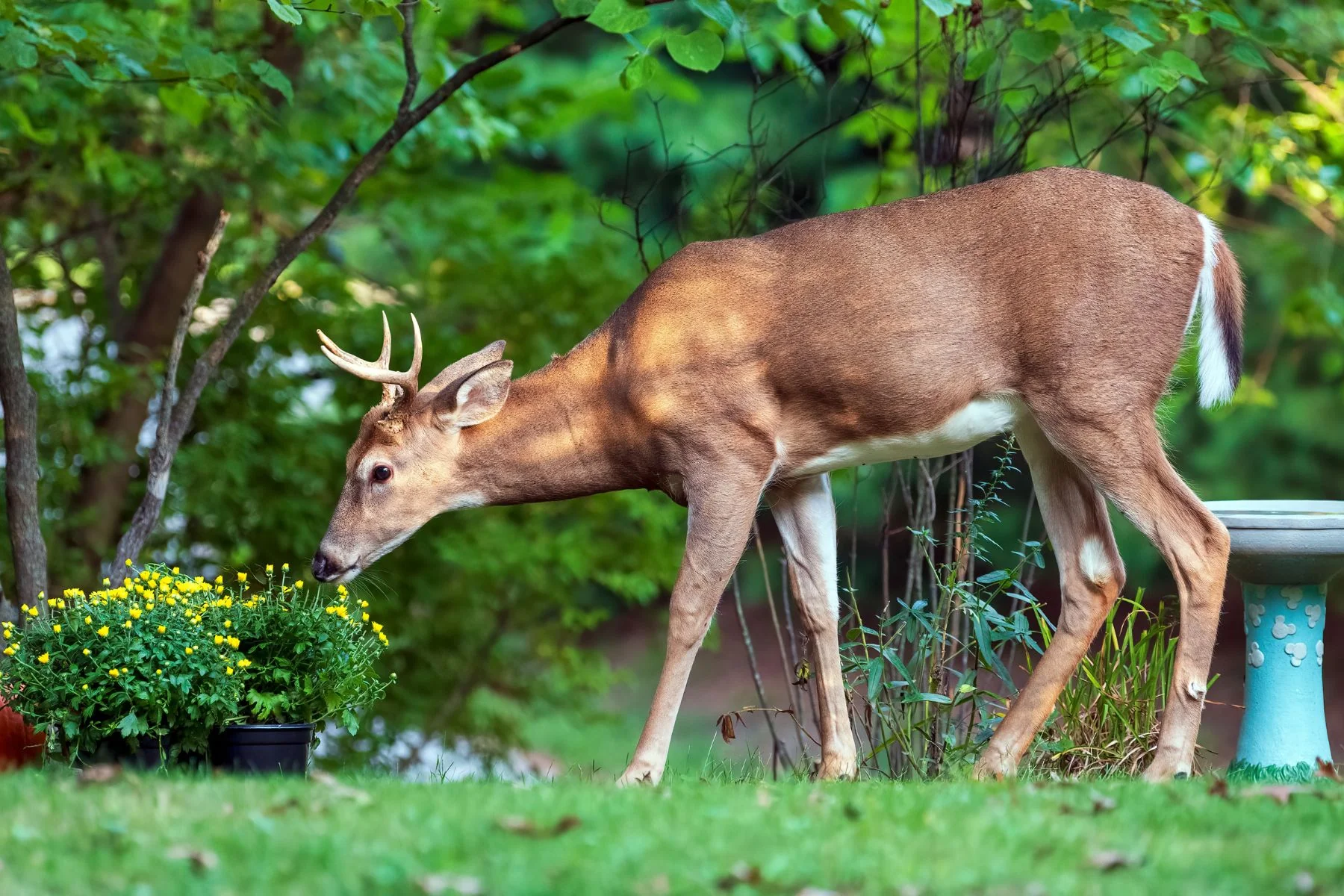
20,435 views
Introduction
There’s a quiet shift happening in how we think about gardens. They’re no longer just decorative spaces—they’re becoming micro-habitats that support biodiversity, even in urban areas.
Recent research shows that even small residential yards can attract a surprising variety of species—from birds to mammals—when the right mix of food, water, and shelter is present.
That means your backyard isn’t just a personal space—it’s part of a much larger ecological network.
But here’s the catch:
Most advice online is either too generic (“add a bird feeder”) or unintentionally harmful (overfeeding wildlife, planting the wrong species).
This guide takes a different approach.
You’ll learn:
- What actually works in 2026 (based on recent research)
- What most homeowners get wrong
- How to design a self-sustaining wildlife habitat, not just a temporary attraction
The 4 Core Principles of a Wildlife-Friendly Backyard
Before adding anything, understand this: wildlife doesn’t come for decoration—it comes for survival.
Every successful backyard habitat includes these four elements:
1. Food (Natural > Artificial)
- Native plants (flowers, shrubs, trees)
- Seeds, nectar, fruits, insects
2. Water (Year-round access)
- Birdbaths
- Small ponds
- Shallow dishes for insects and mammals
3. Shelter (Layered habitat)
- Trees, shrubs, ground cover
- Leaf litter, logs, and brush piles
4. Connectivity (Movement access)
- Open fencing or gaps
- Corridors between green spaces
Key insight:
Backyards with more structural diversity (plants + water + shelter) consistently attract higher wildlife diversity than simple lawns.
Step-by-Step Plan to Attract Wildlife Naturally
Step 1 — Replace Lawn with Native Plant Layers
Lawns are ecological deserts.
Instead, create three layers:
- Ground layer: wildflowers, clover, native grasses
- Mid layer: shrubs and berry bushes
- Upper layer: trees (even small ones)
Why it works:
- Native plants provide food and shelter simultaneously
- They support insects, which feed birds and small mammals
Practical example:
A beginner might convert just 20–30% of their lawn into native planting. Within 2–3 months, they’ll often notice:
- More bees and butterflies
- Increased bird visits (due to insect availability)
Step 2 — Add a Water Source (Even a Small One)
Water is often the missing trigger.
Options ranked by effectiveness:
- Wildlife pond (best)
- Birdbath (good)
- Shallow ground dish (basic)
Even a small pond dramatically increases biodiversity by attracting:
- Birds
- Amphibians
- Beneficial insects
Experts note that ponds with shallow edges, plants, and logs create ideal habitats for multiple species.
Quick setup (budget version):
- Dig 30–50 cm deep
- Add liner + stones
- Include native aquatic plants
- Place partially submerged logs
Step 3 — Create “Messy” Natural Zones
This is where most people hesitate—but it’s critical.
Wildlife prefers controlled chaos, not perfection.
Include:
- Leaf piles
- Dead wood
- Untouched corners
- Compost heaps
Dead trees and logs provide:
- Nesting spaces
- Food for insects and fungi
- Shelter for mammals and birds
Reality check:
A perfectly clean yard = almost zero wildlife.
Step 4 — Use Feeders Carefully (Not as a Crutch)
Feeders can help—but they’re often misused.
Pros:
- Quick way to attract birds
- Good for observation
Cons:
- Can spread disease if crowded
- Attract unwanted animals
- Create dependency
Best practices:
- Use multiple feeders to reduce crowding
- Clean weekly
- Avoid cheap mixed seed (low-quality fillers)
Research shows feeders increase species variety—but only when combined with natural habitat elements.
Advanced Strategies Most Articles Don’t Cover
1. Design Microclimates (The Hidden Multiplier)
Wildlife thrives in temperature and moisture variation.
How to create microclimates:
- Shade areas with dense plants
- Sunny open patches for reptiles/insects
- Damp zones near water features
This increases the range of species your yard can support.
2. Reduce “Barriers” (Underrated Factor)
Solid fences drastically reduce wildlife movement.
Research found yards with heavy fencing had lower biodiversity.
Better options:
- Leave small gaps at ground level
- Use hedges instead of walls
- Create “wildlife corridors”
3. Think Seasonally (Not Just Summer)
Most people design for peak season—but wildlife needs year-round support.
Seasonal planning:
| Season | Focus |
|---|---|
| Spring | Flowers, nesting spaces |
| Summer | Water + shade |
| Autumn | Fruits, seeds |
| Winter | Shelter, minimal disturbance |
Common Mistakes That Actually Repel Wildlife
Mistake 1: Over-Maintaining the Garden
- Frequent mowing removes habitat
- Clearing leaves destroys insect ecosystems
Mistake 2: Using Non-Native Plants
- Wildlife often ignores them
- Can disrupt local ecosystems
Mistake 3: Overfeeding Wildlife
- Leads to dependency
- Increases disease risk
Mistake 4: Using Chemicals
- Pesticides kill insects (primary food source)
- Harm birds and amphibians
Example:
Frogs and toads—key pest controllers—decline rapidly in chemically treated gardens.
Cost Breakdown (Realistic Budget Guide)
Creating a wildlife-friendly backyard doesn’t have to be expensive.
Budget Options:
Low Budget ($0–$50)
- Leave part of yard unmowed
- Add water dish
- Create leaf piles
Mid Budget ($50–$200)
- Birdbath
- Native plants
- Simple feeders
Higher Budget ($200–$500+)
- Wildlife pond
- Trees and shrubs
- Landscaping redesign
Insight:
The biggest gains often come from behavior changes, not spending.
What to Expect (Realistic Timeline)
This isn’t instant.
Week 1–2:
- Insects begin appearing
Month 1–3:
- Birds increase
- Pollinators establish
Month 3–12:
- Small mammals, amphibians
- Stable ecosystem forms
Key truth:
Wildlife responds to consistency, not quick fixes.
Best Backyard Strategies Based on Your Goal
If you want more birds:
- Native trees + feeders
- Water source
- Nest boxes
If you want pollinators:
- Wildflowers
- Reduce mowing
- Avoid pesticides
If you want low maintenance:
- Xeriscaping or naturalized garden
- Minimal intervention
If you want full biodiversity:
- Combine all elements
- Add pond + layered planting
FAQ (Real Search Questions Answered)
Q1: How long does it take to attract wildlife?
Typically 1–3 months for visible changes, but full ecosystem balance can take up to a year.
Q2: What is the fastest way to attract animals?
Adding water and native plants together produces the quickest results.
Q3: Are bird feeders necessary?
No. Native plants alone can attract wildlife more sustainably.
Q4: Can I attract wildlife in a small yard or balcony?
Yes—container plants, water dishes, and vertical greenery still work.
Q5: Is it safe to attract wildlife?
Yes, if done naturally. Avoid feeding large animals or creating dependency.
Conclusion: Build a Habitat, Not Just a Garden
The biggest mindset shift is this:
You’re not “bringing wildlife in”—
you’re restoring what should already be there.
When you focus on:
- Native plants
- Water sources
- Natural shelter
- Minimal interference
…your backyard becomes part of a living ecosystem.
wildlife garden
backyard wildlife
attract birds naturally
pollinator friendly garden
natural backyard habitat
eco friendly gardening
Found this helpful? Share it!
14 Comments
A
Archibald
Процессор греется со страшной силой!
Replying to
H
hhhjh
nice knowledge
Replying to
A
Alex
Cool! Great site!
Replying to
I
This shortlink don t work. Click on our Faucet' normally
Replying to
M
MADAN
NOTHING MUCH
Replying to
A
Arturs
Fuck you all!!!
Replying to
S
Sanjar
Спасибо
Replying to
K
Kanara Shetty
majestic
Replying to
K
Kanara Shetty
awesome
Replying to
P
Panchal Hiren
Excellent
Replying to
K
Kanara Shetty
Awesome
Replying to
S
What actually works in 2026 (based on recent research) What most homeowners get wrong
Replying to
R
Ramesha
Great
Replying to
R
Ramesha
What actually works in 2026 (based on recent research) What most homeowners get wrong How to design a self-sustaining wildlife habitat, not just a temporary attraction
Replying to