Build a Wildlife-Friendly DIY Garden Using Recycled Materials
20,289 views
Introduction
A garden can be far more than a decorative outdoor space—it can become a thriving mini ecosystem that supports birds, bees, butterflies, frogs, and beneficial insects. Better yet, creating one doesn’t require expensive landscaping or brand-new materials.
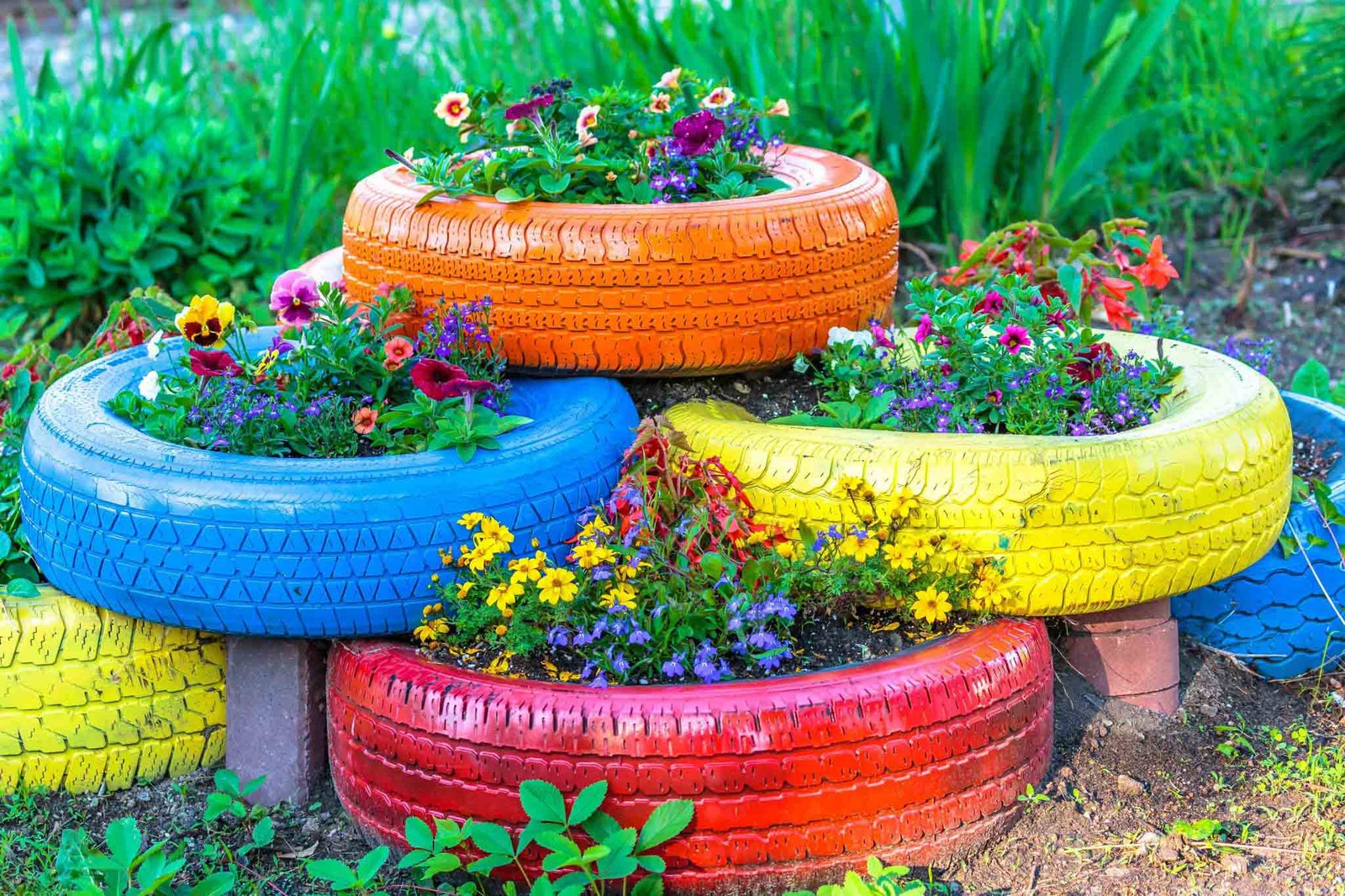
A wildlife-friendly DIY garden using recycled materials combines sustainability with biodiversity in one rewarding project. By repurposing everyday items, reducing waste, and designing with local wildlife in mind, you can create a habitat that is both beautiful and ecologically meaningful.
Wildlife gardening has become increasingly important as habitat loss continues to affect biodiversity. According to the U.S. Environmental Protection Agency, pollinators play a critical role in ecosystem health, and planting habitat-friendly gardens with native species helps support local pollinator populations . The National Wildlife Federation also emphasizes that effective wildlife habitats provide food, water, shelter, and safe places for animals to raise young, with native plants forming the foundation of successful habitat gardens .
If you love nature and enjoy practical DIY projects, this guide will show you exactly how to build a wildlife-friendly garden using recycled materials—without sacrificing aesthetics.
Why Build a Wildlife-Friendly Garden?
Modern outdoor spaces often prioritize neat lawns, decorative paving, and ornamental plants. While visually appealing, these spaces often provide little ecological value.
A wildlife-friendly garden changes that.
Key Benefits
1. Supports Pollinators
Bees, butterflies, moths, and other pollinators rely on flowering plants for nectar and pollen. Without them, ecosystems weaken.
2. Reduces Waste
Repurposing old containers, pallets, bricks, and scrap wood keeps usable materials out of landfill.
3. Saves Money
DIY gardening with recycled materials dramatically lowers setup costs.
4. Improves Biodiversity
Even a small habitat garden can attract multiple species of beneficial wildlife.
5. Creates a More Natural Outdoor Space
Wildlife gardens feel alive—birdsong, butterfly movement, buzzing pollinators, and natural textures create a richer environment.
Planning Your Wildlife-Friendly DIY Garden
Before gathering materials, plan intentionally.
Wildlife habitats work best when they meet the basic ecological needs of animals.
The 4 Essentials of Wildlife Habitat
Experts consistently recommend these habitat fundamentals:
Food
Water
Shelter
Breeding/nesting spaces
Build your garden around these needs.
Assess Your Space
Ask:
Is the area sunny or shaded?
Does rain collect naturally?
Is there existing vegetation?
Are pets likely to disturb wildlife?
How much maintenance can you realistically manage?
Even balconies, patios, and small yards can support wildlife.
Best Recycled Materials for DIY Wildlife Gardening
The beauty of eco-gardening is that “waste” often becomes valuable habitat.
Wooden Pallets
Excellent for:
Vertical planters
Bee hotels
Trellis walls
Climbing plant supports
Use untreated wood whenever possible to avoid harmful chemical residues.
Old Bricks and Stones
Perfect for:
Bug shelters
Mini rock habitats
Raised beds
Frog hideaways
Stack loosely to create safe crevices for insects and amphibians.
Tin Cans
Useful as:
Hanging planters
Seed starter pots
Herb containers
Smooth sharp edges thoroughly before use.
Broken Pots
Great for:
Drainage layers
Fairy-style wildlife microhabitats
Shelter zones for beetles and frogs
Broken terracotta creates excellent insect hiding spaces.
Plastic Bottles
Repurpose into:
Mini drip irrigation systems
Seedling cloches
Hanging watering stations
Use sparingly and securely, as plastic degrades over time.
Old Furniture
Creative options include:
Drawer planters
Chair flower stands
Shelf herb habitats
A worn wooden dresser can become a layered pollinator garden.
Step-by-Step: Build Your Wildlife-Friendly DIY Garden
1. Create Recycled Raised Beds
Raised beds improve drainage, structure, and planting control.
DIY ideas:
Old wooden crates
Reclaimed bricks
Salvaged timber
Repurposed metal tubs
Best for:
Native flowers
Herbs
Nectar-rich plants
Avoid treated wood that may leach chemicals.
2. Plant Native Species First
This is one of the most important steps.
Native plants have evolved alongside local wildlife and generally provide the most appropriate food and habitat.
The National Wildlife Federation recommends aiming for a landscape heavily based on native species because they support broader wildlife food webs .
Examples (region-dependent):
For North America
Milkweed
Coneflower
Bee balm
Goldenrod
For UK/Europe
Foxglove
Hawthorn
Wild marjoram
Cornflower
For tropical climates
Native hibiscus varieties
Local flowering shrubs
Indigenous grasses
Research native species for your specific region.
3. Build a DIY Bee Hotel
Solitary bees need nesting spaces.
Use:
Scrap wood
Bamboo offcuts
Hollow stems
Recycled bricks with cavities
Basic design:
Keep holes 3–10mm wide
Place in a dry sunny spot
Protect from heavy rain
Avoid splintered wood, which can damage delicate wings.
4. Make a Bird Bath from Recycled Materials
Birds need reliable water for drinking and bathing.
DIY bird bath ideas:
Old ceramic bowls
Plant saucers
Repurposed sink basins
Large shallow trays
Tips:
Keep water shallow
Add small stones for insect landing zones
Refresh water regularly
5. Build a Bug Hotel
Beneficial insects improve biodiversity and pest balance.
Fill a wooden frame or crate with:
Pinecones
Hollow stems
Dry leaves
Bark scraps
Broken terracotta
Twigs
Attracts:
Ladybugs
Lacewings
Beetles
Solitary bees
Place in a sheltered, dry area.
6. Create Wildlife Shelter Zones
Wildlife doesn’t want perfection.
Leave “messy” natural spaces.
DIY shelter ideas:
Log piles
Leaf piles
Stone stacks
Untouched corners
These areas support:
Beetles
Frogs
Hedgehogs (where native)
Spiders
Ground insects
7. Install Recycled Vertical Gardens
Short on space?
Use:
Wooden pallets
Shoe organizers
Hanging bottle planters
Salvaged shelving
Best plants:
Pollinator-friendly herbs
Strawberries
Compact flowering natives
Ideal for balconies and urban homes.
Plants That Attract Wildlife
Choose plants with ecological value—not just decorative appeal.
Best for Bees
Look for:
Lavender
Salvia
Native wildflowers
Thyme
Oregano
Best for Butterflies
Include:
Milkweed
Verbena
Joe-Pye weed
Lantana (region appropriate only)
Best for Birds
Plant:
Berry-producing shrubs
Sunflowers
Seed-bearing grasses
Native shrubs
Best for Beneficial Insects
Use:
Dill
Fennel
Yarrow
Coreopsis
Common Mistakes to Avoid
Using Pesticides
Chemical pesticides can harm pollinators and beneficial insects.
EPA guidance encourages reducing pesticide risks to pollinators .
Choose natural pest management instead.
Choosing Invasive Plants
Some attractive species damage local ecosystems.
Always verify regional recommendations.
Over-Tidying
A spotless garden often removes critical habitat.
Leave:
Seed heads
Hollow stems
Leaf litter
Nature thrives in complexity.
Too Much Artificial Lighting
Excess outdoor lighting can disrupt nocturnal wildlife behavior.
Motion-based lighting is a better option if illumination is necessary.
Wildlife-Friendly Garden Design Ideas
Rustic Cottage Habitat
Use:
Reclaimed bricks
Wooden crates
Wildflower beds
Water bowl bird stations
Best for birds and bees.
Urban Balcony Sanctuary
Features:
Vertical pallet garden
Hanging herb planters
Small insect hotel
Shallow water tray
Perfect for apartments.
Natural Woodland Corner
Include:
Logs
Native shade plants
Moss
Stone shelters
Excellent for insects and amphibians.
Cost Comparison: Recycled DIY vs Conventional Garden Setup
Feature | Recycled DIY Garden | Conventional Garden |
|---|---|---|
Materials | Low cost/free | Higher |
Environmental impact | Low | Higher |
Wildlife support | High | Often limited |
Customization | Excellent | Moderate |
Waste reduction | Significant | Minimal |
DIY wins on both sustainability and creativity.
Practical Maintenance Tips
Keep your habitat thriving:
Refill water often
Clean bird baths weekly
Prune selectively
Replace damaged nesting materials annually
Avoid disturbing nesting wildlife
Add flowering succession for year-round food
Compost garden waste
Low intervention is often best.
FAQ
What is a wildlife-friendly DIY garden?
It’s a garden intentionally designed to support wildlife using eco-conscious practices, often including native plants, water sources, shelter, and recycled materials.
Are recycled materials safe for wildlife gardens?
Yes—if chosen carefully.
Avoid:
Chemically treated wood
Sharp metals
Toxic paint residues
Plastics that degrade rapidly
What animals can a wildlife garden attract?
Depending on your location:
Bees
Butterflies
Birds
Frogs
Ladybugs
Dragonflies
Small mammals
Do wildlife gardens look messy?
Not necessarily.
Good design blends natural habitat with intentional structure.
Think “curated wild,” not neglected.
Can I build one in a small space?
Absolutely.
Balconies, patios, rooftops, and courtyards can all support pollinators and birds.
Conclusion
Building a wildlife-friendly DIY garden using recycled materials is one of the most rewarding ways to combine sustainability, creativity, and conservation.
You don’t need a large property or expensive supplies.
A few reclaimed materials, thoughtful planting, clean water, and habitat-friendly choices can transform even the smallest outdoor area into a thriving refuge for wildlife.
The best wildlife gardens aren’t perfect.
They’re alive.
And that’s exactly the point.
wildlife garden diy
pollinator garden ideas
eco garden projects
sustainable backyard
nature friendly gardening
Found this helpful? Share it!
6 Comments
N
naresh
great
Replying to
И
Иван Пожаренко
GOOD.
Replying to
A
Akylbek
Супер сайт
Replying to
А
Андрей
Любопытно было прочитать
Replying to
K
Kanara Shetty
awesome
Replying to
C
Carlos Nieves
felis comentario para avanzar fhfgh fghfgh hfghfgjj
Replying to