Simple Sustainable Living Tips for an Eco-Friendly Home
20,455 views
Introduction: Why “Simple” Sustainability Is Getting Smarter
Sustainable living used to mean recycling more and buying a bamboo toothbrush. In 2026, that mindset is outdated.
Today, eco-friendly homes are becoming smarter, more efficient, and surprisingly cost-effective. Homeowners are no longer just trying to “do less harm”—they’re actively designing homes that improve health, reduce bills, and last longer.
At the same time, the urgency is real:
- Around one-third of global food is wasted, costing nearly $1 trillion annually.
- Renewable energy is rapidly growing, now accounting for ~30% of global electricity production.
The takeaway? Small changes at home still matter—but the type of changes you make matters even more.
This guide focuses on high-impact, realistic actions you can actually stick with—whether you’re a beginner or upgrading your lifestyle.
1. Start With a “Low-Effort, High-Impact” Mindset
Before buying anything eco-friendly, do this first:
Run a simple home audit (even without a professional)
A full audit is ideal, but you can start with this 30-minute version:
- Check for always-on devices (TVs, chargers, routers)
- Look for drafts near windows/doors
- Review last 3 electricity bills
- Identify your top 3 energy users (AC, fridge, water heater)
Why this matters:
Energy-saving upgrades are most effective when targeted. Even official recommendations emphasize audits as the first step before making changes.
Real-world example:
A renter in a small apartment reduced energy use by 18% just by:
- Unplugging idle devices
- Switching AC usage to a timer
- Sealing a window gap with $5 weather tape
No solar panels. No renovation.
2. Replace “Disposable Thinking” With Reusable Systems
Most advice says “ditch single-use plastics”—but that’s too vague.
Instead, build systems:
Practical swaps that actually stick
- Kitchen:
- Replace paper towels → 10 reusable cloths
- Store leftovers in glass containers instead of plastic wrap
- Bathroom:
- Safety razor instead of disposables
- Refillable soap instead of pump bottles
- Shopping:
- Keep 3 reusable bags permanently in your backpack/car
These changes work because they remove decision fatigue.
Why it matters:
Reducing single-use consumption directly lowers your material footprint, which is a growing environmental issue globally.
3. Cut Energy Bills With Smart (Not Expensive) Tech
You don’t need a fully automated smart home.
Focus on 3 upgrades with the fastest ROI:
Best entry-level upgrades
1. Smart plugs
- Cost: low
- Benefit: Automatically cut “phantom energy” from idle devices
2. LED lighting (full replacement)
- Use: Replace ALL bulbs, not just a few
- Impact: Major drop in electricity use
3. Smart thermostat or timer plugs for AC
- Prevents overcooling when you’re not home
Smart home energy systems are becoming a central part of eco-friendly living, with growing adoption due to cost savings and efficiency.
4. Food Waste Is the Hidden Sustainability Killer
Most people underestimate this.
Why food waste matters more than plastic
- Produces methane when decomposing
- Wastes water, energy, and labor
- Huge economic impact globally
Practical system to reduce it
- Plan 3–4 core meals per week (not 7)
- Use a “first-to-expire” box in your fridge
- Freeze leftovers within 24 hours
Advanced tip (rarely mentioned):
Cook “modular meals”—ingredients that can be reused in multiple dishes.
Example:
- Roast vegetables → use in wraps, pasta, or rice bowls
- Cooked rice → stir-fry, salads, or side dish
5. Sustainable Design Isn’t About Looks—It’s About Longevity
A major shift in 2026 is toward durability over aesthetics.
What to prioritize instead of trendy decor
- Solid wood or repairable furniture
- Neutral, long-lasting materials
- Modular pieces you can reconfigure
Why?
Because fast decor cycles create waste. Experts now emphasize repairability and long-term use over disposable design trends.
Rule of thumb:
If you wouldn’t use it for 5+ years, don’t buy it.
6. Water Efficiency: The Most Ignored Upgrade
Energy gets attention—but water waste is just as critical.
Easy upgrades with immediate results
- Install low-flow showerheads
- Fix leaks immediately (even small ones)
- Wash clothes in cold water
Cold washing alone reduces energy use and extends clothing life.
Beginner-friendly habit:
Set a timer for showers (5–7 minutes max).
7. Bring Nature Inside (But Do It Strategically)
“Add plants” is common advice—but here’s what actually matters:
High-impact biophilic upgrades
- Place plants near windows for natural airflow
- Use natural materials (cotton, wool, wood)
- Maximize daylight instead of artificial lighting
Modern eco-home design emphasizes well-being, air quality, and connection to nature, not just aesthetics.
8. Renewable Energy: When Is It Actually Worth It?
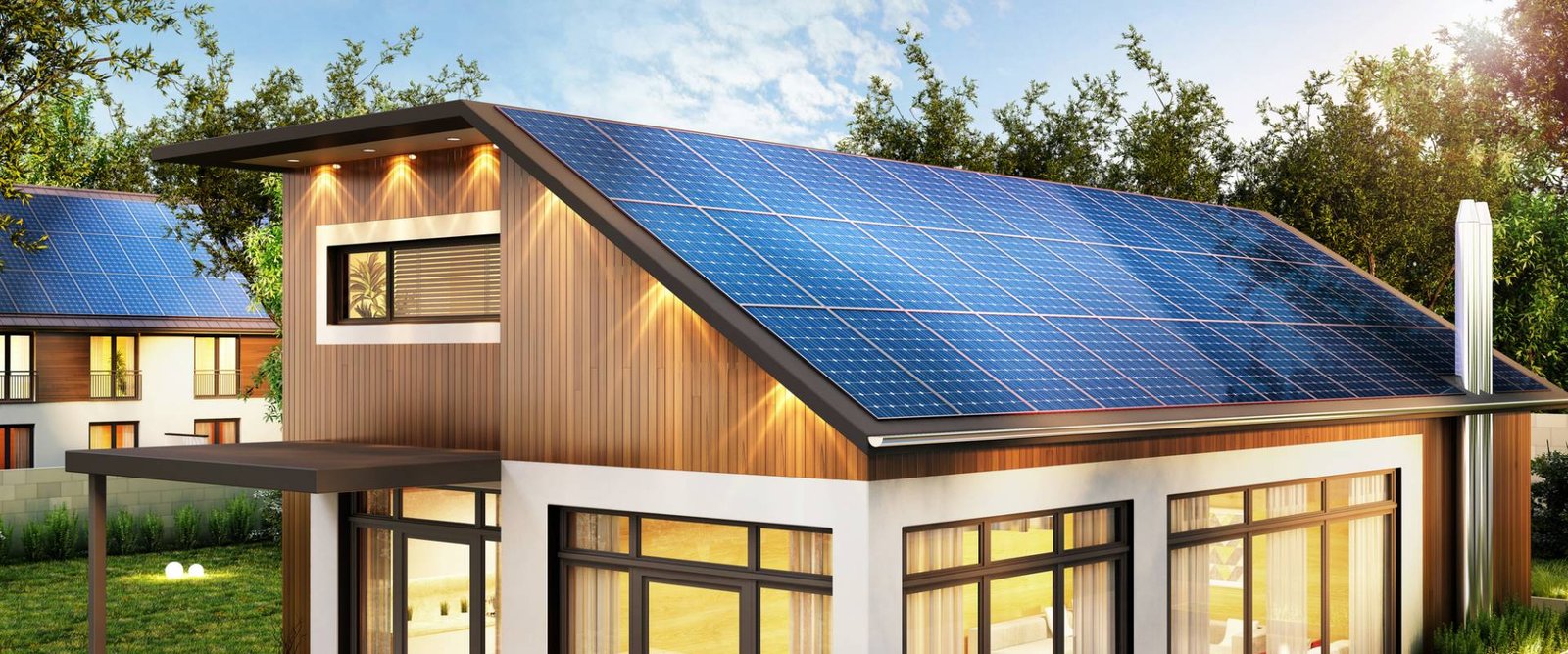
Solar panels sound great—but they’re not always the first step.
Best for:
- Homeowners (not renters)
- High electricity bills
- Sunny climates
Not ideal if:
- You move frequently
- Your energy use is already low
- Budget is limited
Better first step:
Reduce consumption BEFORE installing solar.
Why?
Smaller energy usage = smaller (cheaper) solar system later.
9. Hidden Mistakes Most People Make
These are rarely discussed—but they matter.
1. Buying “eco-friendly” products you don’t need
Overconsumption—even green products—is still wasteful.
2. Ignoring durability
Cheap “green” items that break quickly are worse than long-lasting ones.
3. Trying to do everything at once
This leads to burnout and failure.
4. Over-investing too early
Expensive upgrades before fixing habits = wasted money.
10. Cost Breakdown: What Actually Saves Money?
Let’s be honest—cost matters.
Low-cost, high-return actions
- Unplug devices → immediate savings
- LED lighting → fast ROI
- Reduce food waste → weekly savings
Medium investment
- Smart plugs/thermostats
- Water-saving fixtures
High investment
- Solar panels
- Home insulation upgrades
Insight:
Sustainability becomes profitable when you focus on efficiency first, upgrades second.
11. A Realistic Beginner Roadmap (30 Days)
If you’re starting from scratch:
Week 1
- Audit energy use
- Identify biggest waste areas
Week 2
- Switch to reusable essentials
- Replace key lighting
Week 3
- Reduce food waste system
- Optimize water usage
Week 4
- Add smart controls
- Plan long-term upgrades
This phased approach prevents overwhelm and builds habits gradually.
FAQ: Real Questions People Ask
Is sustainable living expensive?
Not necessarily. Many of the most effective changes (reducing waste, saving energy) actually save money over time.
What’s the easiest eco-friendly habit to start?
Start with reusable systems and energy savings—they’re simple and immediately impactful.
Do small actions really make a difference?
Yes. Sustainability is cumulative. Millions of households making small changes significantly reduce global resource use.
Should renters bother with sustainability?
Absolutely. Focus on:
- Energy habits
- Reusables
- Waste reduction
These don’t require property ownership.
Conclusion: Sustainability That Fits Real Life
Sustainable living in 2026 isn’t about perfection—it’s about smart, consistent decisions.
The biggest shift happening right now is this:
- From guilt → to efficiency
- From trends → to longevity
- From expensive upgrades → to practical systems
Start small. Focus on what actually impacts your home. And build from there.
Because the most sustainable home isn’t the one with the most technology—it’s the one where everyday habits quietly reduce waste, cost, and impact over time.
sustainable living tips
eco-friendly home
green living
reduce household waste
energy saving tips
sustainable lifestyle
Found this helpful? Share it!
11 Comments
J
Johnny58
Très agreable!!
Replying to
J
very nice
Replying to
M
Mandy goody
Very nice
Replying to
A
Arturs
Stupid website cloudflare very slow Earnow!!!
Replying to
J
very good
Replying to
A
Alexandr Manto
Nice articles amazing
Replying to
H
Haki Msol
Ok good
Replying to
P
Panchal Hiren
Excellent
Replying to
S
Shreyash Mandekar
Nice articles amazing
Replying to
M
Md Abdur Rashid
Excellent Post
Replying to
M
Md Abdur Rashid
Excellent Post
Replying to