Apartment Gardening Tips for Small Spaces and Big Yields
20,374 views
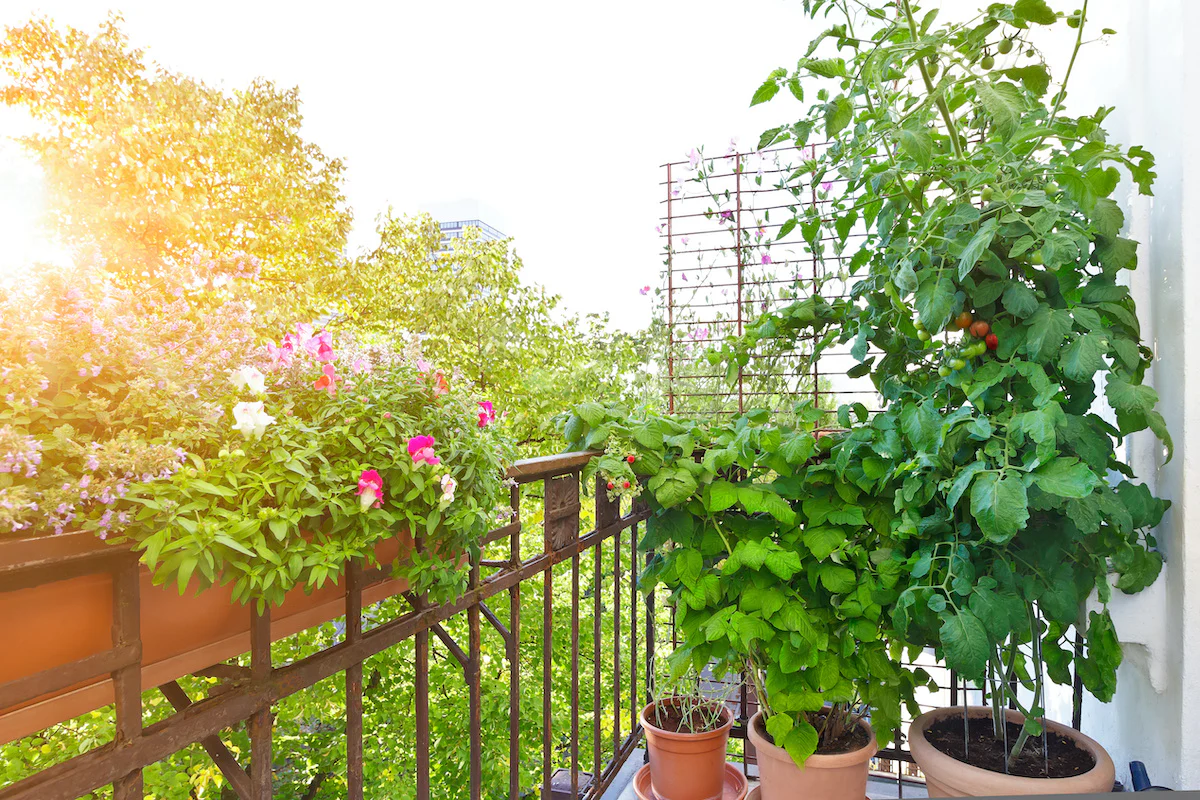
Urban living no longer means giving up on growing your own food. In fact, the opposite is happening.
From TikTok-fueled “micro homesteading” to tech-powered indoor gardens, apartment gardening is exploding in popularity as people look for cheaper food, sustainability, and control over what they eat.
And it’s not just a trend. The global gardening market is now worth over $150 billion and growing steadily, driven largely by urban dwellers turning balconies and windows into productive spaces.
But here’s the truth:
Most apartment gardening advice is either too basic… or completely unrealistic.
This guide goes deeper—showing you how to actually get high yields in small spaces, avoid common traps, and build a system that works long-term.
Why Apartment Gardening Is Becoming Essential (Not Optional)
Urban gardening isn’t just about aesthetics anymore.
Recent research shows it delivers:
- Lower grocery costs through homegrown produce
- Improved mental health from daily plant interaction
- Better air quality and reduced heat in dense cities
- Increased food control (less pesticide exposure)
At the same time, climate uncertainty is pushing gardeners toward resilient, space-efficient growing methods.
The result? A shift from “decorative plants” → productive micro-gardens.
Step 1: Design Your Space Like a System (Not Decoration)
Most beginners treat plants like decor. Experts treat them like a system.
The “Bento Garden” Approach (2026 Trend)
A rising design trend divides small spaces into functional zones—like a bento box.
Example layout for a balcony:
- Zone 1: Herbs (daily use)
- Zone 2: Fast-growing greens
- Zone 3: Vertical climbers (tomatoes/beans)
- Zone 4: Compost or soil prep area
This structure:
- Prevents overcrowding
- Improves light distribution
- Increases yield per square meter
Step 2: Use Vertical Space Aggressively
If you only garden horizontally, you’re wasting 70% of your potential.
High-yield vertical strategies:
- Wall-mounted planters
- Hanging baskets
- Trellises for climbing crops
- Stackable pots
Vertical gardening is now considered the most impactful method for small-space productivity.
Best crops for vertical growing:
- Cherry tomatoes
- Cucumbers
- Pole beans
- Strawberries
Step 3: Choose Crops Based on Yield Efficiency (Not Preference)
This is where most people fail.
Instead of planting what you like, plant what gives the highest return per container.
High-yield apartment crops:
- Leafy greens (harvest multiple times)
- Herbs (constant regrowth)
- Chili peppers (compact but productive)
- Radishes (fast cycles)
Lower efficiency crops:
- Carrots (deep soil needed)
- Corn (space inefficient)
- Cauliflower (long growth, low yield)
Step 4: Master Container Strategy (It’s More Important Than Soil)
Container gardening is the backbone of apartment growing.
But here’s the non-obvious part:
Bigger containers = exponentially higher yields
Why:
- More root space → faster growth
- Better moisture retention
- Less nutrient fluctuation
Ideal container sizes:
- Herbs: 6–8 inches deep
- Greens: 8–10 inches
- Tomatoes/peppers: 12–18 inches
Step 5: Optimize Light Like a Pro
Light—not soil—is usually the biggest limiting factor.
Real-world example:
A beginner places basil on a shaded balcony → slow growth
Same plant moved to 6+ hours sunlight → doubles output in 2 weeks
Minimum light requirements:
- Herbs: 4–6 hours
- Vegetables: 6–8 hours
- Fruiting plants: 8+ hours
If light is limited:
- Use reflective surfaces (white walls, mirrors)
- Rotate plants every 2–3 days
- Consider grow lights (especially indoors)
Step 6: Water Smarter (Most People Overwater)
Overwatering kills more apartment plants than neglect.
Signs of overwatering:
- Yellow leaves
- Mushy stems
- Mold on soil
Better approach:
- Water deeply, but less often
- Check soil 2–3 cm deep before watering
- Use pots with drainage holes
Hidden Mistakes That Kill Apartment Gardens
These are rarely discussed—but make a huge difference.
1. Overcrowding plants
More plants ≠ more yield
Crowding reduces airflow and sunlight
2. Ignoring airflow
Poor airflow leads to:
- Fungus
- Pest infestations
3. Using cheap soil
Low-quality soil:
- Compacts quickly
- Drains poorly
4. Growing too many varieties
Focus beats diversity in small spaces
The Real Cost of Apartment Gardening (Reality Check)
Let’s break it down honestly.
Initial setup (basic):
- Containers: $20–$80
- Soil: $15–$40
- Seeds/plants: $10–$30
Optional upgrades:
- Grow lights: $30–$150
- Vertical systems: $25–$100
When does it pay off?
For fast-growing crops like herbs and greens:
- Break-even: 1–2 months
For larger crops:
- 3–6 months
The biggest return isn’t just money—it’s consistent access to fresh food.
Advanced Techniques Most Blogs Don’t Mention
1. Upside-Down Gardening
Growing plants like tomatoes upside-down saves space and reduces pests.
Best for:
- Small balconies
- Hanging setups
2. Succession Planting (Continuous Harvest)
Instead of planting everything at once:
- Week 1: plant lettuce
- Week 3: plant more
- Week 5: plant again
This creates non-stop harvest cycles.
3. Microclimate Control
Even a small balcony has multiple climates:
- Corners = less wind
- Walls = more heat retention
Use this to:
- Place heat-loving plants near walls
- Keep delicate plants in sheltered areas
Best Apartment Gardening Setups (Who Should Use What)
Beginner (low effort)
- Herbs + leafy greens
- 3–5 containers
- Minimal maintenance
Intermediate (balanced)
- Add vertical plants
- Mix herbs + vegetables
- Start composting
Advanced (high yield)
- Full vertical system
- Grow lights
- Succession planting
- Crop rotation
Trends Shaping Apartment Gardening in 2026
Recent developments show a clear shift toward:
- Micro homesteading (growing food anywhere)
- Wild, low-maintenance planting styles
- Smart gardening tools and automation
- Edible-focused gardening over decorative setups
The takeaway:
Gardening is becoming functional, efficient, and data-driven.
FAQ: Apartment Gardening (Real Questions Answered)
1. What is the easiest plant to grow in an apartment?
Herbs like basil, mint, and parsley—they grow quickly and require minimal space.
2. How much sunlight do I really need?
At least 4–6 hours. Without it, yields drop significantly.
3. Can I grow vegetables indoors?
Yes—with grow lights or a bright window.
4. How often should I water?
Typically every 2–5 days depending on climate and container size.
5. Is apartment gardening worth it financially?
Yes for fast-growing crops (herbs, greens). Less so for large vegetables.
Final Thoughts: Small Space, Big Strategy
Apartment gardening isn’t about squeezing plants into a corner—it’s about designing a high-efficiency system.
If you:
- Use vertical space
- Choose high-yield crops
- Manage light and water properly
You can turn even a tiny balcony into a productive food source.
apartment gardening
small space gardening
indoor vegetable garden
balcony garden tips
urban gardening ideas
container gardening
Found this helpful? Share it!
14 Comments
A
aekara
jkiop
Replying to
A
aekara
hjyuh
Replying to
A
ana
muy bueno
Replying to
M
minhaz
good and nice
Replying to
A
Arturs
Stupid naturecycle
Replying to
M
Md Shahin Sheikh
site is so so good
Replying to
J
Jojo
Jo jk
Replying to
с
саттор таджиев
Okey is
Replying to
T
lee bel
Replying to
C
Carlos Nieves
nbvv njh uiuh kuiyg
Replying to
C
Carlos Nieves
u i uiuiu oiuhiuh ooi
Replying to
F
FS
PAS MAL
Replying to
P
Panchal Hiren
Nicely Nicely
Replying to
A
крипто кран
Replying to