Permaculture Garden Design for Beginners Explained
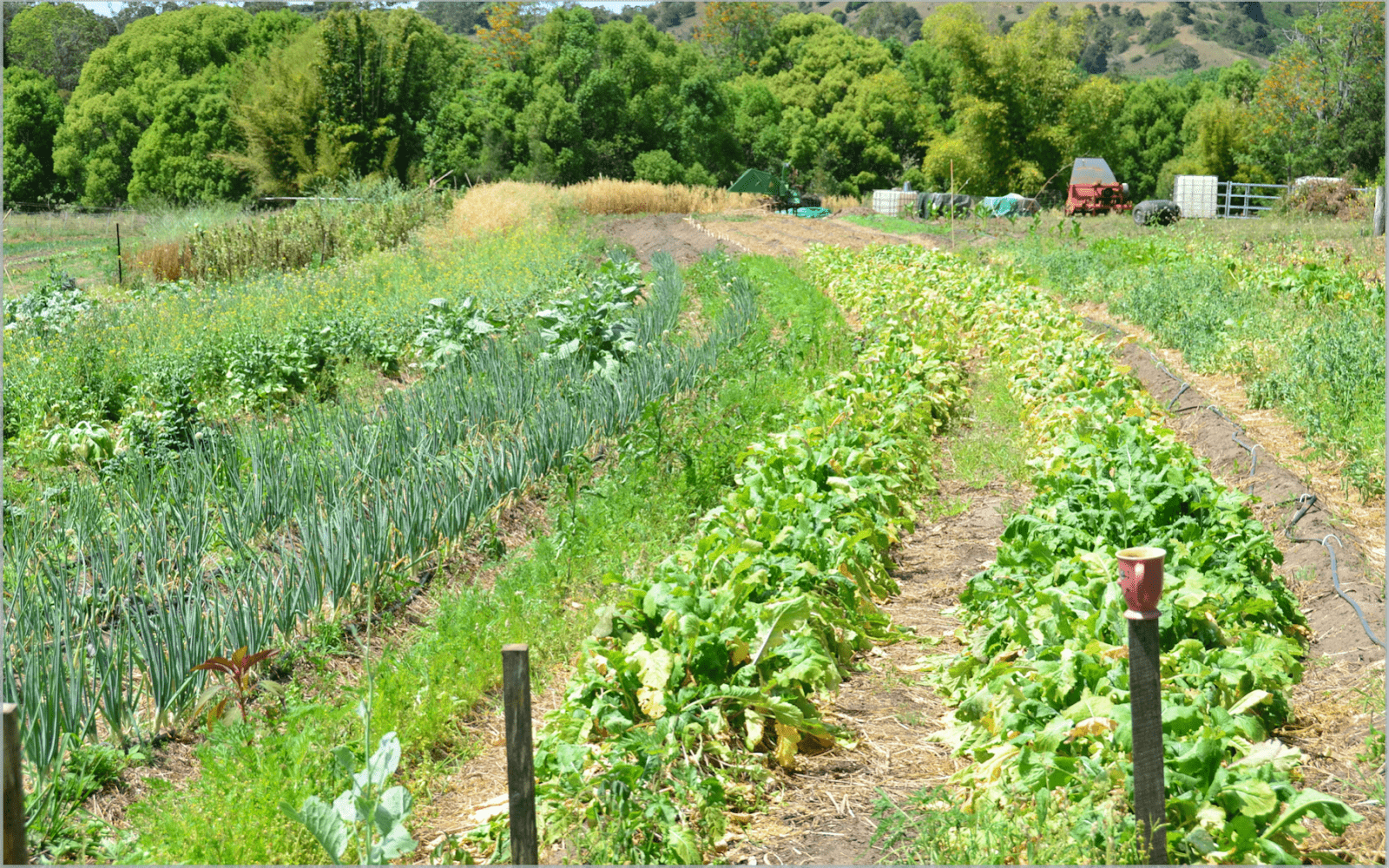
21,341 views
Introduction: Why Permaculture Is Exploding Right Now
If you’ve noticed more people talking about “self-sustaining gardens,” you’re not imagining it. In 2025–2026, gardening trends have shifted hard toward sustainability, resilience, and low-maintenance ecosystems—not just pretty landscapes.
Permaculture sits right at the center of this movement.
But here’s the problem: most beginner guides either oversimplify it (“just plant things together”) or overwhelm you with theory.
This guide takes a different approach.
You’ll learn how to actually design a permaculture garden from scratch, with real-world examples, costs, trade-offs, and the kind of insights people usually only discover after making mistakes.
What Is Permaculture (In Simple Terms That Matter)
Permaculture is about designing your garden like a natural ecosystem—where everything supports something else.
Instead of:
- Watering constantly
- Buying fertilizers
- Fighting pests
You build a system that:
- Retains water
- Feeds itself
- Regulates pests naturally
At its core are three principles:
- Earth care – protect soil and ecosystems
- People care – design for ease and usability
- Fair share – reduce waste and reuse resources
But here’s the key insight beginners miss:
Permaculture is not about “doing less work.”
It’s about doing the right work upfront so the system works later.
Why Beginners Are Choosing Permaculture in 2026
Modern gardening trends strongly favor permaculture-style systems because they solve real problems:
1. Water Scarcity & Climate Adaptation
- Drought-resistant and water-efficient designs are now a major priority
- Permaculture uses rainwater capture, mulching, and soil structure to reduce watering
2. Low-Maintenance Living
- Gardens are shifting toward self-sustaining, low-input systems
3. Food Security & Rising Costs
- Growing your own food is no longer a hobby—it’s a strategy
4. Mental Well-being
- Nature-based spaces are being designed for stress reduction and daily use
Step-by-Step: How to Design Your First Permaculture Garden
Step 1: Observe Before You Plant (This Is Non-Negotiable)
Spend at least 1–2 weeks observing:
- Sun patterns (morning vs afternoon exposure)
- Wind direction
- Water flow after rain
- Soil type (sand, clay, loam)
Why it matters:
Permaculture starts with working with your land—not forcing it.
Step 2: Map Your Zones (The Secret to Efficiency)
Permaculture uses zones based on how often you visit areas:
- Zone 0: Your home
- Zone 1: Daily-use plants (herbs, greens)
- Zone 2: Vegetables, compost
- Zone 3+: Trees, larger systems
Beginner mistake:
Trying to design everything at once.
Better approach:
Start with Zone 1 only—get it right, then expand.
Step 3: Build Soil First (Not Plants)
Healthy soil = 80% of your success.
Use:
- Cardboard (weed barrier)
- Compost layer (5–10 cm)
- Mulch (10–15 cm)
This “no-dig” method:
- Protects soil microbes
- Improves water retention
- Eliminates the need for tilling
Step 4: Choose the Right Plants (Diversity Over Perfection)
Modern permaculture avoids monoculture.
Instead, use plant guilds:
- Fruit tree
- Nitrogen fixer (beans)
- Ground cover (sweet potato)
- Pest-repelling herbs
Why it works:
Diverse planting creates natural balance and resilience
Step 5: Design Water Systems Early
Don’t treat water as an afterthought.
Use:
- Swales (shallow trenches)
- Rain barrels
- Mulch layers
Even beginners can cut watering needs significantly using these methods.
Real-World Beginner Scenario (What It Actually Looks Like)
Let’s say you have a small backyard (50–100 m²).
Month 1:
- Observe sunlight and water flow
- Build 2 raised/no-dig beds
Month 2:
- Plant fast crops (lettuce, herbs)
- Add mulch and compost
Month 3–6:
- Introduce fruit trees or shrubs
- Add companion plants
After 1 Year:
- Soil becomes richer
- Watering reduces by 30–50% (typical outcome with mulch systems)
- Maintenance drops significantly
Cost Breakdown: What It Really Takes to Start
Most guides skip this. Here’s a realistic estimate:
Budget Setup (DIY approach)
- Cardboard: Free
- Compost: $20–$50
- Mulch: $30–$80
- Seeds/plants: $20–$60
Total: ~$70–$190
Mid-Range Setup
- Raised beds: $100–$300
- Soil + compost: $100+
- Irrigation system: $50–$150
Total: ~$250–$600
Key Insight:
Permaculture is cheap long-term, not always upfront.
Hidden Mistakes Beginners Make (That Cost Months of Progress)
1. Starting Too Big
You’ll burn out fast.
Fix:
Start small, expand gradually.
2. Ignoring Sun Patterns
Planting shade crops in full sun (or vice versa) kills productivity.
3. Overwatering
Permaculture systems need less water, not more.
4. Choosing Trendy Plants Instead of Local Ones
Native plants are trending for a reason—they:
- Require less maintenance
- Support biodiversity
5. Expecting Instant Results
Permaculture is a system, not a quick harvest hack.
Advanced Beginner Tips (Rarely Mentioned)
Use “Edge Effect” for Higher Yields
Where two ecosystems meet (e.g., garden + pond), productivity increases.
Design for Movement, Not Just Plants
Think about:
- Walking paths
- Harvest access
- Daily convenience
This improves long-term usability.
Stack Functions Everywhere
Example:
A tree can provide:
- Food
- Shade
- Soil moisture retention
- Habitat for insects
That’s permaculture thinking.
Pros and Cons: Is Permaculture Right for You?
Pros
- Lower long-term maintenance
- Reduced water use
- More resilient to climate changes
- Produces food sustainably
Cons (Rarely Discussed)
- Slower initial results
- Requires planning and patience
- Can look “messy” compared to traditional gardens
- Learning curve is real
How Permaculture Compares to Traditional Gardening
| Feature | Traditional Garden | Permaculture Garden |
|---|---|---|
| Water use | High | Low |
| Maintenance | Constant | Decreases over time |
| Soil health | Often depleted | Improves continuously |
| Biodiversity | Low | High |
| Setup effort | Low | Higher upfront |
The Future of Permaculture (Why It’s Not Just a Trend)
Permaculture aligns perfectly with 2026 gardening trends:
- Climate-resilient landscapes
- Wildlife-friendly systems
- Multi-functional outdoor spaces
This isn’t a niche anymore—it’s becoming the default model for sustainable gardening.
FAQ: Real Questions Beginners Ask
How long does it take for a permaculture garden to work?
You’ll see results in 3–6 months, but full system benefits take 1–3 years.
Can I start permaculture in a small space?
Yes. Even balconies or small yards can use permaculture principles effectively.
Do I need special tools?
No. Basic gardening tools are enough—focus on design, not equipment.
Is permaculture expensive?
Initial setup can cost more, but long-term costs are significantly lower.
What’s the easiest thing to start with?
A no-dig garden bed with herbs and greens.
Conclusion: Start Small, Think Long-Term
Permaculture isn’t about building the perfect garden.
It’s about creating a system that:
- Improves every year
- Requires less effort over time
- Works with nature—not against it
If you take one thing from this guide, let it be this:
Start small, observe deeply, and design intentionally.
That’s how beginners turn into successful permaculture gardeners—without overwhelm or wasted effort.
permaculture garden design
beginner permaculture
sustainable gardening
backyard permaculture
organic garden planning
permaculture tips
Found this helpful? Share it!
9 Comments
O
omar
Thanks
Replying to
C
Chaminda
Thanks
Replying to
J
Jojo
Hi hi
Replying to
T
Thankyou for the sharing of the green thumb knowledge
Replying to
C
Carlos Nieves
primer comenmtario aclarado
Replying to
I
IZZEEDDINE
Thanks
Replying to
H
hgfyuy
g4hy46uj65
Replying to
S
saif
ITS VERY GOOD
Replying to
J
Jesutin
I'm fine
Replying to