Low Maintenance Gardening Tips for Busy Beginners
19,942 views
Introduction: The Truth About “Low Maintenance” Gardening
Most beginners start gardening with the same hope: something beautiful, with minimal effort. Then reality hits—constant watering, weeds, pests, and time you didn’t budget for.
Here’s the honest shift happening in 2026: low-maintenance gardening is no longer about doing less. It’s about designing smarter systems that reduce ongoing work.
Modern trends like rewilding, native planting, and “meadowscaping” are replacing high-effort lawns and fragile plants. Instead of forcing plants to survive, gardeners are working with natural conditions—saving time, money, and frustration.
This guide is built for busy beginners who want real results—not Pinterest-perfect gardens that demand hours every week.
What “Low Maintenance” Actually Means in 2026
Before jumping into tips, let’s reset expectations:
- It does not mean zero work
- It means front-loading effort (smart setup) to reduce long-term maintenance
- It relies on plant choice + layout + automation, not shortcuts
A surprising stat: over 55% of households now garden, but most beginners quit early due to unrealistic expectations and time constraints.
The solution isn’t working harder—it’s designing differently.
Start Small (But Strategically)
One of the biggest beginner mistakes is going too big too fast.
Recent gardening guidance emphasizes:
- Start with 1–2 manageable areas
- Focus on plants you actually care about
- Avoid buying too many tools upfront
A smarter beginner setup:
- 2–3 containers OR one 1m x 1m raised bed
- 3–5 plant types max
- 1 watering system (manual or drip)
Real-world example:
A beginner with a full backyard spends weekends overwhelmed.
Another starts with herbs + one shrub bed—and expands after success.
Result: The second gardener sticks with it.
Replace Lawns (Your Biggest Time Drain)
Traditional grass lawns are maintenance traps:
- Weekly mowing
- High water use
- Fertilizer and weed control
In 2026, many gardeners are phasing out lawns entirely in favor of:
Better alternatives:
- Groundcovers (like creeping phlox)
- Native wildflower patches
- Gravel + plants combo
- Mixed “wild lawns” with clover
Creeping phlox, for example, spreads quickly, suppresses weeds, and needs little watering—making it a “set-it-and-forget-it” solution.
Key insight:
A garden with more plants but better planning often needs less work than a simple lawn.
Choose Plants That Want to Survive
This is where most beginners fail.
Instead of asking:
“What plants look good?”
Ask:
“What plants thrive here without help?”
Best low-maintenance plant categories (2026):
1. Native Plants
- Adapted to your climate
- Require less water and care
- Support pollinators
2. Perennials (not annuals)
- Come back every year
- Reduce replanting effort
3. Drought-tolerant plants
- Lavender, sedums, ornamental grasses
- Thrive even with inconsistent watering
Lavender, for example, is trending because it’s:
- Pest-resistant
- Drought-tolerant
- Beneficial for pollination
4. Low-maintenance shrubs
Hydrangeas and similar shrubs offer:
- Multi-season interest
- Minimal pruning needs
- High visual impact
Use the “Layering” Strategy (Advanced but Powerful)
This is an expert-level concept rarely explained well.
Instead of planting randomly, design in layers:
- Ground layer → groundcovers (weed suppression)
- Mid layer → perennials and herbs
- Upper layer → shrubs or small trees
Why this works:
- Reduces weeds naturally
- Retains soil moisture
- Creates a self-sustaining ecosystem
This “dense planting” approach is actually lower maintenance than sparse gardens.
Meadowscaping – The Lazy Gardener’s Secret Weapon
One of the fastest-growing trends is meadowscaping.
Instead of structured beds, you:
- Plant wildflowers + grasses
- Let them grow naturally
- Cut only once or twice a year
Benefits:
- Extremely low maintenance
- Supports biodiversity
- Cheaper than traditional landscaping
Maintenance is minimal—just occasional trimming and seasonal cutting.
Who it’s best for:
- Busy homeowners
- Large outdoor spaces
- Anyone tired of mowing lawns
Automate the Boring Work
Low maintenance isn’t just about plants—it’s about systems.
Smart upgrades that save time:
Drip irrigation
- Delivers water directly to roots
- Reduces waste and effort
Moisture sensors
- Prevent overwatering
- Automate irrigation timing
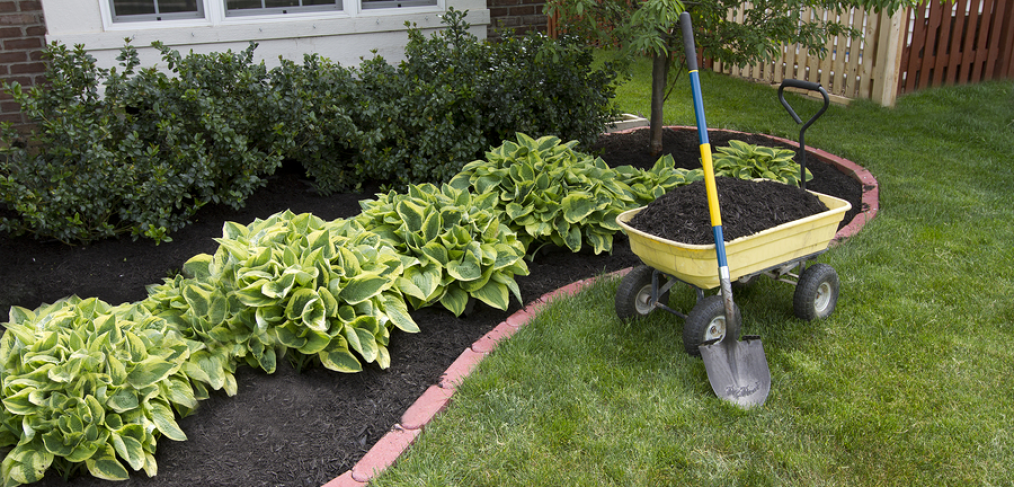
Mulch (your best “tool”)
- Reduces weeds
- Keeps soil moist
- Cuts watering frequency
Leaving natural materials like fallen leaves can act as free mulch and support soil health.
Foodscaping (Grow Food Without Extra Work)
A major 2026 trend is foodscaping—mixing edible plants into decorative spaces.
Instead of:
- Separate vegetable gardens (high effort)
Try:
- Herbs in borders
- Berry bushes as hedges
- Edible flowers in beds
This approach:
- Saves space
- Reduces maintenance
- Increases usefulness
It’s also becoming popular due to rising food costs and interest in self-sufficiency.
Hidden Mistakes That Make Gardening Harder
These are rarely talked about—but they matter most.
1. Fighting your environment
Trying to grow moisture-loving plants in dry soil = constant work.
2. Overwatering
Ironically creates weaker plants and more maintenance.
3. Buying “high-maintenance” plants unknowingly
Some ornamental plants look great—but need constant pruning.
4. Ignoring soil quality
Poor soil = more watering, fertilizing, and plant death.
5. Overdesigning too early
Complicated layouts = more long-term upkeep.
Cost Breakdown (Reality Check for Beginners)
Low-maintenance gardening can save money long-term, but setup matters.
Typical beginner costs:
| Item | Cost Range |
|---|---|
| Basic tools | $30–$80 |
| Soil/compost | $20–$100 |
| Plants | $50–$200 |
| Irrigation setup | $40–$150 |
Where to save:
- Use cuttings/propagation (trending in 2026)
- Start from seeds for wildflowers
- Swap plants locally
Where NOT to cheap out:
- Soil quality
- Mulch
- Core plants
A Simple Low-Maintenance Garden Plan (Step-by-Step)
If you want a practical starting point:
Week 1: Planning
- Observe sunlight (full sun vs shade)
- Choose 3–5 hardy plants
Week 2: Setup
- Prepare soil (add compost)
- Install mulch layer (5–7 cm)
Week 3: Planting
- Group plants by water needs
- Space properly (avoid overcrowding)
Week 4+: Maintenance
- Water deeply but less often
- Remove weeds early
- Observe and adjust
The “Less Effort, More Nature” Mindset Shift
A growing movement in gardening is rejecting overly manicured spaces.
Instead:
- Let some plants self-seed
- Accept controlled “messiness”
- Focus on ecosystem health
This shift not only reduces work—it creates more resilient gardens.
Many gardeners now prefer natural, wildlife-friendly spaces over sterile, paved yards.
Conclusion: Build a Garden That Works Without You
The biggest mistake beginners make is trying to control everything.
The best low-maintenance gardens in 2026 share one trait:
They’re designed to run themselves.
If you:
- Choose the right plants
- Replace high-maintenance elements
- Use smart systems
You’ll spend less time maintaining—and more time enjoying your space.
FAQ: Low Maintenance Gardening for Beginners
What is the easiest plant for beginners?
Groundcovers like creeping phlox and hardy shrubs like hydrangeas are among the easiest, requiring minimal care.
How often should I water a low-maintenance garden?
Typically 1–2 times per week, deeply. Drought-tolerant plants may need even less once established.
Can I garden without a backyard?
Yes. Containers, balconies, and indoor setups are increasingly common and effective.
Is low-maintenance gardening cheap?
It can be. Initial setup costs exist, but long-term expenses are lower due to reduced water, fertilizer, and plant replacement.
What’s the fastest way to reduce maintenance?
Replace lawns, use mulch, and choose native or drought-tolerant plants.
low maintenance gardening
beginner gardening tips
easy garden ideas
simple plant care
gardening for beginners
busy lifestyle gardening
Found this helpful? Share it!
16 Comments
E
EWSS
son raros
Replying to
б
бжюж
,;.l,m; kmmk
Replying to
A
Arturs
Website kapot!! Hitler kapot!!
Replying to
S
Sanjar
Спасибо
Replying to
V
VOVA
Crypto Faucet
Replying to
K
Kanara Shetty
Awesome
Replying to
J
Very nice
Replying to
C
Cfq
чезанах?
Replying to
S
designing smarter systems that reduce ongoing work.
Replying to
S
designing smarter systems that reduce ongoing work.
Replying to
S
Shiv
Rrrrrr
Replying to
E
Erneus
I like it
Replying to
A
крипто кран
Replying to
R
Ramesha
designing smarter systems that reduce ongoing work.
Replying to
F
FQQFFF
МЫУЦУ ЦУПЦУП
Replying to
F
FQQFFF
РРЛНЛНПП РЛДРЛПГП
Replying to